As the biggest tournament in the sport fast approaches, millions of football fans around the globe will share the same fear. You might actually face any or both of the following possibilities when trying to buy tickets with multiple phases of ticket sale:
- Dynamic pricing
- Hour-long virtual queues
It is a process designed to put even the most ardent supporter on edge.
This guide cuts through the clutter. You'll find out precisely when tickets go on sale, how FIFA's multi-phase system works, and what you need to do to secure your spot. Whether you're eyeing a group-stage match or dreaming of the final, this breakdown covers everything from pricing strategies to host city selection.
No fluff. No confusing jargon. Just clear, actionable steps to help you reach the 2026 FIFA World Cup without losing money or sleep.
When Do World Cup Tickets Go On Sale?
The first official sales phase for FIFA World Cup 2026 tickets starts on December 11, 2025, just after the draw for the specific match-ups. This is a crucial date for fans seeking tickets for particular games, rather than generic allocations in the stadium. FIFA has confirmed that multiple ticket phases will continue throughout 2026, all the way to the final on July 19, 2026.
Understanding FIFA's Multi-Phase Sales Strategy
FIFA usually offers World Cup tickets in four to five distinct phases. The December 11 launch marks the third phase, following two earlier rounds in which fans could apply only for stadium-specific tickets, without knowing which teams would play. Every subsequent phase addresses different inventory levels and fan demand patterns.
The early phases operate on a lottery system, with more applications received than seats available. FIFA randomly selects winning applications from the pool. Later phases revert to first-come, first-served sales, and things get pretty heated, as would be expected when only a few tickets remain. Mastering this timeline will help you make several attempts rather than rely on one purchase window.
Critical Dates to Mark on Your Calendar
Watch for a continued series of sales phases beyond December 11 by FIFA through 2026. The final ticket phase usually opens 60–90 days before the start of the competition, offering last-minute availability and resale tickets from fans unable to attend. Closer to match dates, FIFA also releases any contingency inventory returned by participating teams if their tournament allocations are unused.
How to Get Tickets for the World Cup 2026
Securing World Cup tickets successfully is all about thoughtful preparation, patience, and intelligent planning. The process follows a few stages that improve your chances of success.
Step-By-Step Ticket Purchasing Process
First, create your FIFA account at FIFA.com/tickets long in advance of any sales phase. It will serve as the route for all ticket purchases. FIFA requires that email addresses and phone numbers be verified for security reasons, and you should complete your profile, including passport details, because incomplete profiles will be rejected at checkout.
Second, familiarize yourself with the ticket portal before sales begin. Most of the time, FIFA opens the site for browsing several days in advance. So you can explore stadium layouts, view available match categories, and understand pricing structures without committing to purchases. Use the preview period to identify your target matches and plan accordingly.
Third, prepare your payment method. FIFA accepts all major credit cards, but its preferred partner is Visa. You don't need to use the same Visa card you registered with during pre-qualification. Any valid payment card can work at checkout. Have a backup payment option in case the primary card encounters technical issues.
Fourth, log in at least 30 minutes before the official sale start time. FIFA's servers handle millions of concurrent users, and virtual queues can stretch for several hours. Getting in early puts you closer to the front of the line when sales begin.
Navigating the Virtual Queue System
Once sales open, FIFA randomly places each user into a queue position. You wait based on that random placement, rather than the time you went online. Some fans get in immediately, while others are in for 3–5 hours. The system also prevents gaming by linking accounts to passport numbers and flagging duplicate attempts.
While you wait, keep the browser tab open and active. Some users reported losing queue positions when minimizing windows or switching tabs for too long. Make sure your device stays charged and is connected to a stable internet service.
Transaction Timing and Limitations
Once you reach the ticket selection interface, you have 20 minutes to complete your purchase before the system times out and returns you to the queue. Transactions stay "in progress" for about 15 minutes after submission, during which time new purchases cannot be started. This rule helps prevent hoarding across multiple transactions.
Choose your seats carefully, but don't waste any time. Dynamic pricing means costs can rise during your session if other buyers snap up similar tickets, triggering price adjustments. Complete checkout as soon as you find seats you're happy with.
Basics of Purchasing World Cup Tickets
The ticketing system for the World Cup operates very differently from that for most sports events. It imposes distinctive rules that FIFA uses to guarantee equal opportunities and avoid scalping and fraud.
Official Channels and Verified Sellers
FIFA.com/tickets is the only official primary market for World Cup tickets. Other websites that claim to sell tickets in advance of the tournament are usually secondary markets or hospitality package providers. Many early listings on third-party platforms are speculative—sellers don't yet hold the tickets. They are betting they can acquire them later.
Hospitality packages through FIFA-authorized providers include guaranteed tickets, bundled with premium experiences, food and beverages, and sometimes even accommodation. These packages cost considerably more than standard tickets but bypass the lottery system and provide certainty for fans willing to pay premium prices.
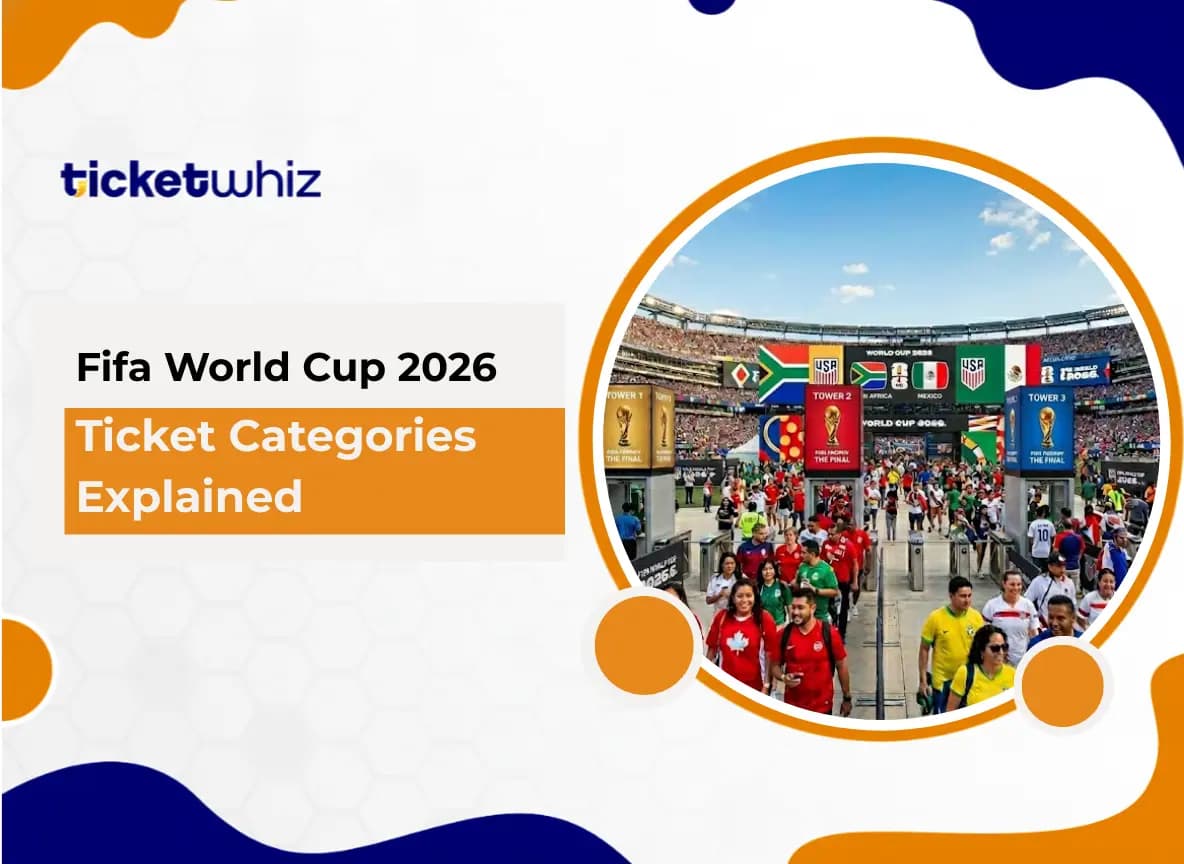
Category System Explained
Seating at the stadium falls into four different price categories. Category 1 seats offer the best views, typically from midfield areas with superior sightlines. Category 2 offers good views of goal-line regions or the upper midfield.
Category 3 includes corner sections and higher-elevation seating. Category 4 is the least expensive option but has minimal availability, with only about 2% of the total inventory in this tier.
The category system allows FIFA to segment pricing while maintaining the appearance of affordability. In practice, most fans end up purchasing Category 1 or 2 tickets because Category 4 sells out instantly, and Category 3 offers less value than slightly higher-priced options.
Accessibility and Special Accommodations
Accessible seating areas are reserved for FIFA fans with disabilities and reduced mobility. Requests for accessible seats must be made during the application process by declaring your accessibility needs within your account profile. Accessible seating inventory is maintained separately from general admission and usually remains available longer because it is dedicated.
How Much Are 2026 World Cup Tickets?
Ticket prices for the 2026 World Cup are significantly higher than those of prior World Cups, buoyed by inflation, larger formats, and FIFA's new dynamic pricing model.
Full Price List
Group stage matches start at $60 for Category 4 seats in the cheapest games. Realistic pricing begins at around $220-$450 for Category 2 and 3 seats that are actually attainable. High-profile group matches between traditional football powers easily exceed $500, even in early rounds.
Prices for the knockout Round of 16 matches range from about $150 for theoretical Category 4 seats to $800 for premium Category 1 positions. Quarter-finals usually range from $300 to $1,200, depending on the teams and the stadium location. Semi-finals range from $450 to $1,700, with most available inventory priced above $1,000. This is where pricing peaks.
Category 1 seats for the final on July 19, 2026, at MetLife Stadium in New York/New Jersey reach up to $6,730. Even Category 3 final tickets exceed $1,500. These numbers are all based on standard demand; dynamic pricing will raise the cost if a particular match-up produces exceptionally high interest.
Dynamic Pricing Mechanics
The 2026 World Cup is the first to use dynamic pricing for men's ticketing. Prices change in real time based on demand algorithms, similar to those used to set airline fares. As more fans buy tickets for specific matches, the remaining seats automatically increase in price.
Fans have reported seeing price spikes during active shopping. One purchaser watched semi-final tickets jump from $450 to $1,700 while comparing seating options. Another observed group-stage ticket rise by $200 between adding to the cart and checking out. This creates pressure to buy quickly, narrowing consumer control over spending decisions.
Critics argue that dynamic pricing turns ticket access into a wealth-based system rather than one based on merit or luck. FIFA defends the approach as market-responsive pricing that captures demand value. At the same time, it claims, it channels excess revenue toward football development programs.
Additional Costs beyond Face Value
Parking at World Cup venues runs from $75 to $175 per vehicle per match, a significant hidden expense that's more than some ticket prices in prior years. Many stadiums are located in areas without robust public transit, making parking a non-negotiable for many fans.
Hospitality packages, which include tickets, food, and beverages, and sometimes premium lounge access, range from $1,500 to $12,000. Pricing depends on the match's significance and tier. These bundles tend to attract corporate buyers and affluent fans who want a premium experience. However, they push the event further out of reach for the average supporter.
How to Save Money on World Cup Tickets?
Thoughtful planning combined with savvy purchasing can help lower overall costs without sacrificing the experience.
Timing Your Purchase Strategically
Apply in the earliest lottery phases before dynamic pricing is fully enabled. Early sales set baseline prices that serve as a floor before algorithms push costs higher. Even if you don't win the lottery, applying establishes your intent in FIFA's system, thereby improving your odds in the later phases.
Watch out for FIFA's official resale platform launching in 2026. This secondary marketplace lets fans sell unused tickets—often at face value or below—especially as match dates approach and sellers seek to recoup costs. Resale inventory typically grows significantly in the final 30 days before matches as travel plans change.
Match Selection Strategy
Group-stage matches featuring smaller nations are invariably much easier on the pocket than those involving the traditional powerhouses of Brazil, Argentina, Germany, or even the host nation.
Consider watching matches featuring underdogs or teams from less populous football nations. These games are often filled with great atmosphere and passionate fans, even as ticket demand and prices are lower.
Opt for games in smaller host cities rather than those in major metropolitan areas. Games in Kansas City, Kansas, or Seattle are often cheaper than the same match-up in New York, Los Angeles, or Miami. Because demand is lower in secondary markets, more tickets are available at lower prices across every category.
Travel and Accommodation Arrangements
Book your accommodations as soon as you have your tickets. Hotel prices near World Cup venues tend to skyrocket as the tournament approaches. Many fans save 40-60% by booking rooms within days of ticket confirmation, rather than weeks or months later.
Use public transportation whenever possible instead of paying for parking. Major cities like New York, Los Angeles, and San Francisco have excellent transit access to stadiums, saving $75-$175 per match in parking fees. That money can be better spent on food, merchandise, or extra tickets.
Avoiding Costly Mistakes
Never purchase tickets from unauthorized resellers before teams are confirmed for specific matches. Most early listings on third-party marketplaces are speculative: sellers don't have actual tickets yet but hope to secure them later. Such transactions carry a high fraud risk and offer little buyer protection if the tickets never materialize.
Otherwise, skip the hospitality packages unless the premium experiences truly warrant the 300-500% price premium versus standard tickets. For fans who primarily go to watch the match, most hospitality perks, such as included food and lounge access, have little value. Standard tickets plus independent dining often cost about half as much while delivering nearly identical experiences.
Which Cities Are Hosting 2026 World Cup Matches
The 2026 tournament expands to 48 teams across 16 host cities in three countries, making it the most geographically expansive World Cup in history.
United States Host Cities (11 Venues)
- Atlanta, Georgia - Mercedes-Benz Stadium: A modern, retractable-roof facility hosting NFL and MLS games downtown with excellent public transportation access.
- Boston, Massachusetts – Gillette Stadium: Home of the NFL's New England Patriots, this stadium is located in Foxborough, about 22 miles away from downtown Boston. Public transportation is limited, so shuttle services are standard.
- Dallas, Texas – AT&T Stadium: A massive retractable-roof complex in Arlington, known for the extreme summer heat and humidity of the region.
- Houston, Texas – NRG Stadium: A retractable-roof facility that is air-conditioned to keep fans comfortable during Houston's intense summers.
- Kansas City, Kansas – Arrowhead Stadium: An outdoor stadium with terrific sightlines and affordable pricing relative to the coasts.
- Los Angeles, California – SoFi Stadium: A state-of-the-art complex opened in 2020, representing the most expensive ticket and lodging market.
- Miami, Florida – Hard Rock Stadium: Partially covered outdoor facility. Summer matches are played under high temperatures and humidity.
- New York/New Jersey – MetLife Stadium: Hosting the 2026 final on July 19; located in East Rutherford, New Jersey, with easy train access from Manhattan.
- Philadelphia, Pennsylvania – Lincoln Financial Field: An open-air stadium, featuring proximity and transit links to downtown.
- San Francisco Bay Area, California – Levi’s Stadium: Located in Santa Clara, about 45 miles from San Francisco, it offers moderate summer temperatures.
- Seattle, Washington – Lumen Field: An outdoor covered venue that is known for its loud atmosphere and usually good weather.
Canadian Host Cities (2 Venues)
- Toronto, ONT - BMO Field: Similar to the other venue, an intimate stadium expanded to 45,500 for the World Cup; there is excellent public transportation and a walkable downtown.
- Vancouver, British Columbia – BC Place: A retractable-roof facility with captivating mountain views and the mildest summer conditions of all host cities.
Mexican Host Cities (3 Venues)
- Guadalajara – Estadio Akron: Modern stadium that opened in 2010, at an altitude of 1,566 meters, which means cooler air for playing.
- Mexico City – Estadio Azteca: An iconic venue hosting its third World Cup, it lies 2,240 meters above sea level and offers formidable playing conditions with comfortable seating for spectators.
- Monterrey – Estadio BBVA: The newest stadium in the rotation, opened in 2015, is located in northeast Mexico and features hot, dry summer conditions.
Selecting the Best Host City for Your Budget
Smaller markets like Kansas City usually have ticket prices 30-40% cheaper than those in New York or Los Angeles for the exact matches. Accommodation follows a similar pattern, with hotels in secondary cities charging roughly half the rates of hotels in major metropolitan areas during the tournament.
For a great combination of affordability, favorable weather, and great football atmosphere, consider Canadian venues. Tourism infrastructure is excellent in Toronto and Vancouver, and both are less expensive than most U.S. host cities.
What Will The Weather Be Like At The World Cup?
The 2026 World Cup runs from June 11 through July 19, placing the tournament in the peak of North American summer heat. Weather varies widely across the 16 host cities, significantly affecting spectator comfort and experience.
United States Climate Conditions
Southern venues such as Dallas, Houston, and Miami can easily reach 95°F (35 °C) or higher in June and July, while heat indices can exceed 105°F (40°C) due to high humidity. This creates health risks associated with outdoor events, and access to stadiums might be uncomfortable, even though their interiors are air-conditioned.
Atlanta has a similar heat but with somewhat lower humidity, though frequent afternoon thunderstorms can impede matches and complicate travel. In Kansas City, weather conditions are more moderate: average highs of 88°F/31°C and a relatively low moisture index.
Coastal California venues offer the most comfortable conditions in the U.S. Both Los Angeles and San Francisco have mild summers, typically in the 70-85°F (21-29°C) range, with low humidity. Some California stadiums have no air conditioning because it is assumed that moderate outdoor temperatures are sufficient to maintain comfort.
Seattle and Boston are the northern extremes with the best spectator conditions. Seattle rarely reaches 80°F (27°C) during the summer, and humidity is low. Boston typically reaches the mid-80s°F (around 29°C) with moderate humidity and ocean breezes.
Advantages of the Canadian Climate
Both Toronto and Vancouver have perfect summer weather for outdoor sports. Toronto averages about 79°F (26°C) in June–July, though humidity can be moderate and there are many fine evenings. Vancouver often sees even better conditions, around 73°F (23°C), although the Pacific maritime influence keeps the humidity very low.
Canadian venues seldom need air conditioning to keep spectators comfortable, and most evening matches are played in comfortable conditions, ideal for playing football. These cities also report the fewest heat-related health incidents during summer events.
Mexican Altitude Benefits
Mexican host cities sit at elevations that temper the heat, despite their southern locations. Mexico City, at 7,350 feet (2,240 meters), tends to keep summer days around 75°F (24°C) with cool nights. Guadalajara, up at 5,140 feet (1,566 meters), averages about 81°F (27°C) with lower humidity.
Monterrey stands out as the exception, delivering hot, dry conditions akin to those in Texas—summer temperatures near 95°F (35°C) and low humidity.
Health and Comfort Considerations
Pack sun protection for all outdoor events: high-SPF sunscreen, wide-brimmed hats, and sunglasses. Often, umbrellas are not permitted, but hats and light clothing are just fine. Hydration is essential in southern venues—water is usually available at stadiums, but sometimes at a surcharge. Check each venue's policy regarding bringing sealed water bottles.
Whenever possible, select evening matches in hot climates to avoid the peak afternoon heat. Note that the evening games tend to be the most expensive since so many fans prefer cooler conditions. Weigh comfort preferences with ticket costs when selecting matches.
Also, schedule indoor breaks before and after games at very hot or cold venues. Tailgating well in advance of a game or exploring the stadium's surroundings can be dicey in 100°F+ (38°C+) temperatures. Consider climate-controlled restaurants, shopping centers, or hotel lobbies near the stadiums for pre- and post-match activities when visiting hot cities.
Your Gateway to Every Game: Simple, Smart, and Secure.
Tickets for the World Cup 2026 go on sale on December 11, 2025; this is a critical first phase during which fans can purchase seats for specific team match-ups. Success will depend on extensive preparation: create your FIFA account well in advance, plan your match selections strategically, and budget realistically to account for dynamic pricing. Various ticket phases continue well into 2026, providing multiple opportunities to secure seats.
Besides the ticket itself, prepare for additional costs such as parking, higher-priced accommodation, and extra fees for popular matches. Good planning, bookings, and judicious venue selection can save 40-50% on total costs compared to last-minute purchases.
Ready to secure your World Cup 2026 tickets? Visit TicketWhiz to compare prices across trusted marketplaces and discover verified options with transparent pricing. No hidden fees. No endless tabs. Just straightforward pricing and trusted sources in one place.
FAQs
Where can I buy tickets for the 2026 World Cup?
Buy only from FIFA.com/tickets to ensure you receive guaranteed authentic tickets. Avoid third-party resellers before the match draw, as many listings turn out to be scams.
Are tickets cheaper when they first go on sale?
Yes, prices are the lowest during the initial lottery phase, before dynamic pricing increases costs. On resale markets, prices can skyrocket by 300–500%.
What are the different types of tickets available for the World Cup?
FIFA offers individual match tickets, hospitality packages, and accessible seating. Tickets fall into four price categories, with Category 1 the most expensive and Category 4 the least.
Can I resell or transfer my World Cup tickets?
Yes. There will be an official FIFA resale platform for ticket sales. In Mexico, they have to be sold at face value. Steer clear of unofficial resale sites that charge hefty fees.
Will the tickets be mobile or physical?
Tickets are digital and accessed through mobile apps and your FIFA account. Physical tickets are no longer standard for major tournaments. Keep your login details secure and download your tickets to your phone in advance of match day.