The FIFA World Cup is entering a completely new era in 2026. For the first time in tournament history, the competition will expand from 32 teams to 48 teams, creating a larger global event with more matches, more host cities, and more opportunities for fans worldwide.
Hosted across United States, Canada, and Mexico, the tournament will feature a revamped group stage, a new Round of 32 knockout phase, and a record-breaking number of games.
If you are wondering how the FIFA World Cup 2026 format actually works, this guide breaks everything down in a simple and fan-friendly way — including tournament structure, qualification rules, match format, ticket pricing insights, and tips for buying seats without overspending.
What Is the FIFA World Cup 2026 Format?
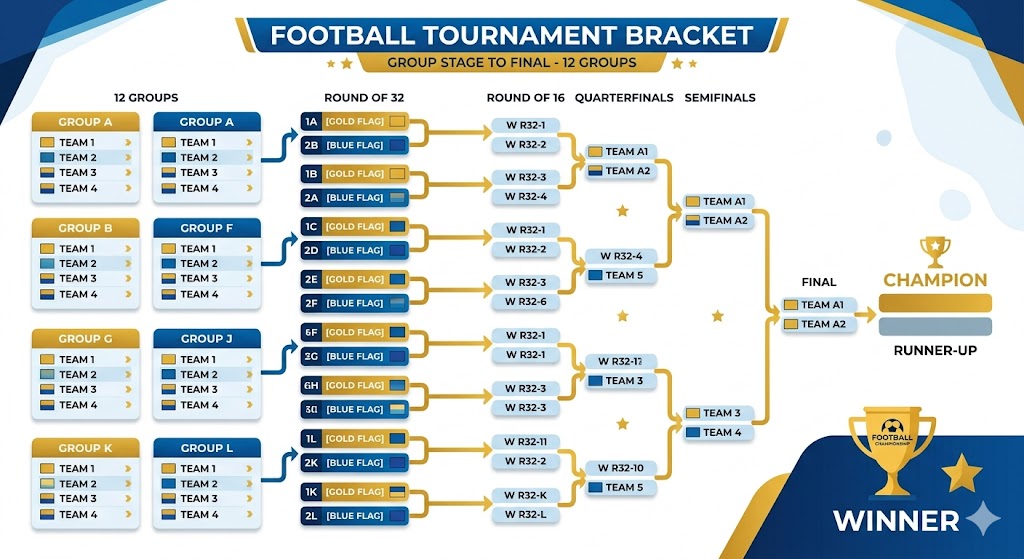
The FIFA World Cup 2026 format introduces a major structural expansion designed to include more nations and create a larger international football spectacle.
Instead of 32 teams, the tournament will now feature 48 national teams divided into 12 groups of four.
The tournament structure works like this:
| Stage | Details |
|---|---|
| Total Teams | 48 |
| Groups | 12 |
| Teams per Group | 4 |
| Group Matches per Team | 3 |
| Teams Advancing | 32 |
| Knockout Opening Round | Round of 32 |
| Total Tournament Matches | 104 |
The top two teams from each group automatically advance to the knockout stage. In addition, the eight best third-place teams also qualify, creating a full 32-team knockout bracket.
This means the tournament will now include:
Group Stage
Round of 32
Round of 16
Quarterfinals
Semifinals
Final
The expanded structure allows more countries from Africa, Asia, North America, and Oceania to participate while increasing the overall number of competitive fixtures.
Why Did FIFA Expand the World Cup to 48 Teams?
FIFA’s decision to expand the tournament was primarily driven by global growth and commercial opportunities.
Football continues to grow rapidly in emerging regions, and many strong national teams previously struggled to qualify because of limited slots.
The expanded tournament aims to:
Increase worldwide participation
Create more opportunities for smaller football nations
Grow television and sponsorship revenue
Expand global fan engagement
Deliver more host-city tourism income
For fans, the biggest benefit is diversity. Countries that rarely appear on the world stage now have a more realistic path to qualification.
However, the expansion also brings debate.
Some critics argue that:
the tournament may become too long,
player fatigue could increase,
and early-stage mismatches may become more common.
Still, FIFA believes the new format will create a more inclusive and commercially successful event than ever before.
How Many Groups Are in World Cup 2026?
The FIFA World Cup 2026 will feature 12 groups with four teams in each group.
Every team plays three group-stage matches.
The standard points system remains unchanged:
| Result | Points |
|---|---|
| Win | 3 |
| Draw | 1 |
| Loss | 0 |
The teams finishing first and second in each group qualify automatically for the knockout stage.
The remaining eight knockout spots are awarded to the best-performing third-place teams across all groups.
This format is designed to maintain competitiveness throughout the group stage because even third-place teams can still advance depending on goal difference and total points.
How Does the World Cup 2026 Group Stage Work?
The group stage remains one of the most exciting parts of the tournament because every match carries massive importance.
Each nation faces the other three teams in its group once.
At the end of the group stage, rankings are determined by:
Total points
Goal difference
Goals scored
Head-to-head results
Fair play points
The biggest new change is the introduction of third-place qualification.
This system means more teams remain alive deeper into the tournament, increasing excitement for fans and broadcasters.
How Many Teams Advance?
24 teams qualify automatically by finishing top two
8 additional teams qualify through third-place rankings
Total knockout teams = 32
This creates the largest knockout bracket in FIFA World Cup history.
What Is the New Round of 32 Format?
One of the most important changes in the FIFA World Cup 2026 format is the addition of a Round of 32.
Previously, the tournament moved directly from the group stage to the Round of 16.
Now, the expanded knockout structure looks like this:
| Knockout Round | Teams Remaining |
|---|---|
| Round of 32 | 32 |
| Round of 16 | 16 |
| Quarterfinals | 8 |
| Semifinals | 4 |
| Final | 2 |
This additional round increases the total number of knockout matches and gives more nations the opportunity to experience high-pressure elimination football.
For fans, this also means:
more ticket availability,
more host-city activity,
and more opportunities to watch elite football live.
How Many Matches Will Be Played in World Cup 2026?
The FIFA World Cup 2026 will feature 104 total matches, a huge increase from the 64 matches played in previous 32-team tournaments.
World Cup 2022 vs World Cup 2026
| Feature | 2022 Tournament | 2026 Tournament |
|---|---|---|
| Teams | 32 | 48 |
| Groups | 8 | 12 |
| Knockout Start | Round of 16 | Round of 32 |
| Total Matches | 64 | 104 |
The expanded schedule means:
longer tournament duration,
increased travel demand,
and significantly more ticket inventory.
For traveling supporters, this may actually improve the chances of finding affordable seats compared to previous tournaments where supply was more limited.
How Teams Qualify for FIFA World Cup 2026
The expanded tournament also changes qualification allocations across FIFA confederations.
Estimated Qualification Spots by Confederation
| Confederation | Spots |
|---|---|
| UEFA (Europe) | 16 |
| CAF (Africa) | 9 |
| AFC (Asia) | 8 |
| CONMEBOL (South America) | 6 |
| CONCACAF (North America) | 6 |
| OFC (Oceania) | 1 |
The three host nations:
United States
Canada
Mexico
Receive automatic qualification.
This creates broader international representation than any previous FIFA World Cup.
Which Countries Are Hosting World Cup 2026?
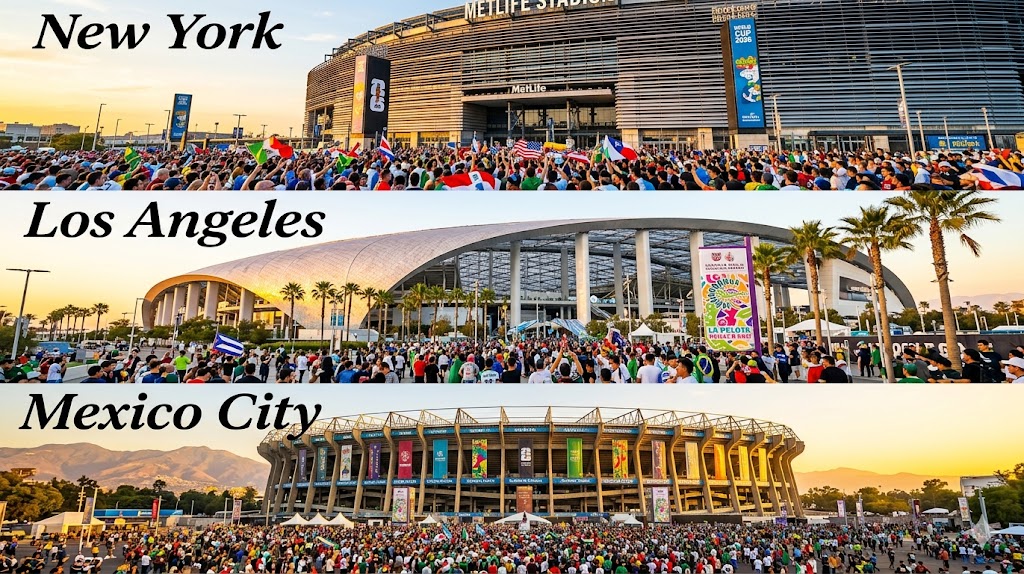
The FIFA World Cup 2026 will be the first tournament jointly hosted by three countries.
Major host cities are expected across North America, including iconic football and NFL stadiums.
Fans can expect matches in:
New York/New Jersey
Los Angeles
Dallas
Miami
Toronto
Vancouver
Mexico City
Guadalajara
Monterrey
The tournament’s continental scale will make it one of the largest sporting events ever organized.
How Much Do FIFA World Cup Group Stage Tickets Cost?
Ticket pricing for FIFA World Cup matches can vary dramatically depending on the host city, seat category, team popularity, and match importance. If you are planning a trip to the tournament, one of the first questions you will likely ask is, "How much do FIFA World Cup group stage tickets cost?"
Although official FIFA ticket releases may evolve closer to the tournament, current market trends and previous World Cup pricing patterns provide a realistic estimate.
Estimated Group Stage Ticket Prices
| Seating Area | Estimated Price Range |
|---|---|
| Upper-Level Seats | $90 – $180 |
| Mid-Level Sideline | $180 – $400 |
| Lower Bowl Premium | $450 – $900 |
| VIP Hospitality | $1,500+ |
Premium matches involving major football nations such as Brazil, Argentina, England, France, or the United States will likely command higher resale prices.
Meanwhile, early group-stage games between smaller nations may offer better value for budget-conscious fans.
Ticket Marketplace Price Comparison Analysis
The cost of World cup ticket prices often fluctuates significantly across secondary ticket marketplaces based on:
demand,
seat location,
and timing before kickoff.
Estimated Market Trends
| Match Type | Early Market Average | Last-Minute Average |
|---|---|---|
| Group Stage | $120 – $350 | $90 – $280 |
| Round of 32 | $220 – $600 | $180 – $500 |
| Quarterfinal | $500 – $1,500 | $450 – $1,300 |
| Final | $2,500 – $10,000+ | Highly volatile |
One important trend is that prices sometimes decrease slightly 24–72 hours before kickoff if sellers rush to offload inventory.
However, this depends heavily on:
team popularity,
travel demand,
and stadium capacity.
How to Buy Last Minute FIFA World Cup Tickets without overpaying
Buying last-minute football tickets can feel risky, but smart timing and comparison strategies can save significant money. That's why "How to Buy Last Minute FIFA World Cup Tickets without overpaying" is the most important question in everyone's mind.
Here are some proven ways fans avoid overspending:
Compare Multiple Ticket Platforms
Never rely on one marketplace alone. Compare tickets on multiple platforms before you buy.
Use ticket comparison tools to monitor:
pricing changes,
hidden fees,
and seat availability.
Wait for Seller Price Drops
Many resale sellers panic as kickoff approaches.
Prices sometimes fall:
48 hours before matches,
during low-demand weekday games,
or after teams are eliminated.
Avoid Emotional Purchases
Fans often overpay immediately after:
qualification announcements,
group draws,
or viral football moments.
Waiting strategically can often produce better value.
Focus on Group Stage Value
Group-stage matches generally offer:
lower prices,
better seat availability,
and easier travel planning than knockout rounds.
Will the 48-Team Format Make the World Cup Better?
The answer depends on the perspective.
For many supporters, the expanded tournament creates:
more football,
more national representation,
and more unforgettable moments.
Smaller football nations now have a stronger opportunity to reach the global stage.
For traveling fans, the increased number of matches may also improve ticket accessibility.
However, concerns remain about:
player fatigue,
scheduling complexity,
and tournament length.
Still, the World Cup remains football’s biggest global event, and the 2026 edition is expected to break attendance and viewership records worldwide.
Conclusion: Understanding the FIFA World Cup 2026 Format
The FIFA World Cup 2026 format marks the beginning of a new chapter for international football.
With 48 teams, 104 matches, and a brand-new Round of 32 structure, the tournament will become larger, longer, and more globally inclusive than ever before.
Fans can expect:
more nations,
more knockout drama,
expanded ticket opportunities,
and one of the biggest sporting spectacles in history.
Whether you are planning to travel across North America or simply want to understand how the new format works, knowing the tournament structure early can help you prepare ticket releases, match schedules, and travel planning more effectively.
Frequently Asked Questions
How many teams are in the FIFA World Cup 2026?
The FIFA World Cup 2026 will feature 48 national teams.
How many groups are in the 2026 World Cup?
There will be 12 groups with four teams in each group.
How many teams qualify for each group?
The top two teams from every group qualify automatically, along with the eight best third-place teams.
How many matches will be played in the World Cup 2026?
A total of 104 matches will be played.
What is the new Round 32?
The expanded tournament introduces a new knockout round before the Round of 16.
Which countries host the FIFA World Cup 2026?
The tournament is hosted by the United States, Canada, and Mexico.